Vincent van Gogh’s “Starry Night” May Have Been Inspired by a July Dawn—And Aurora Can See the Same Sky
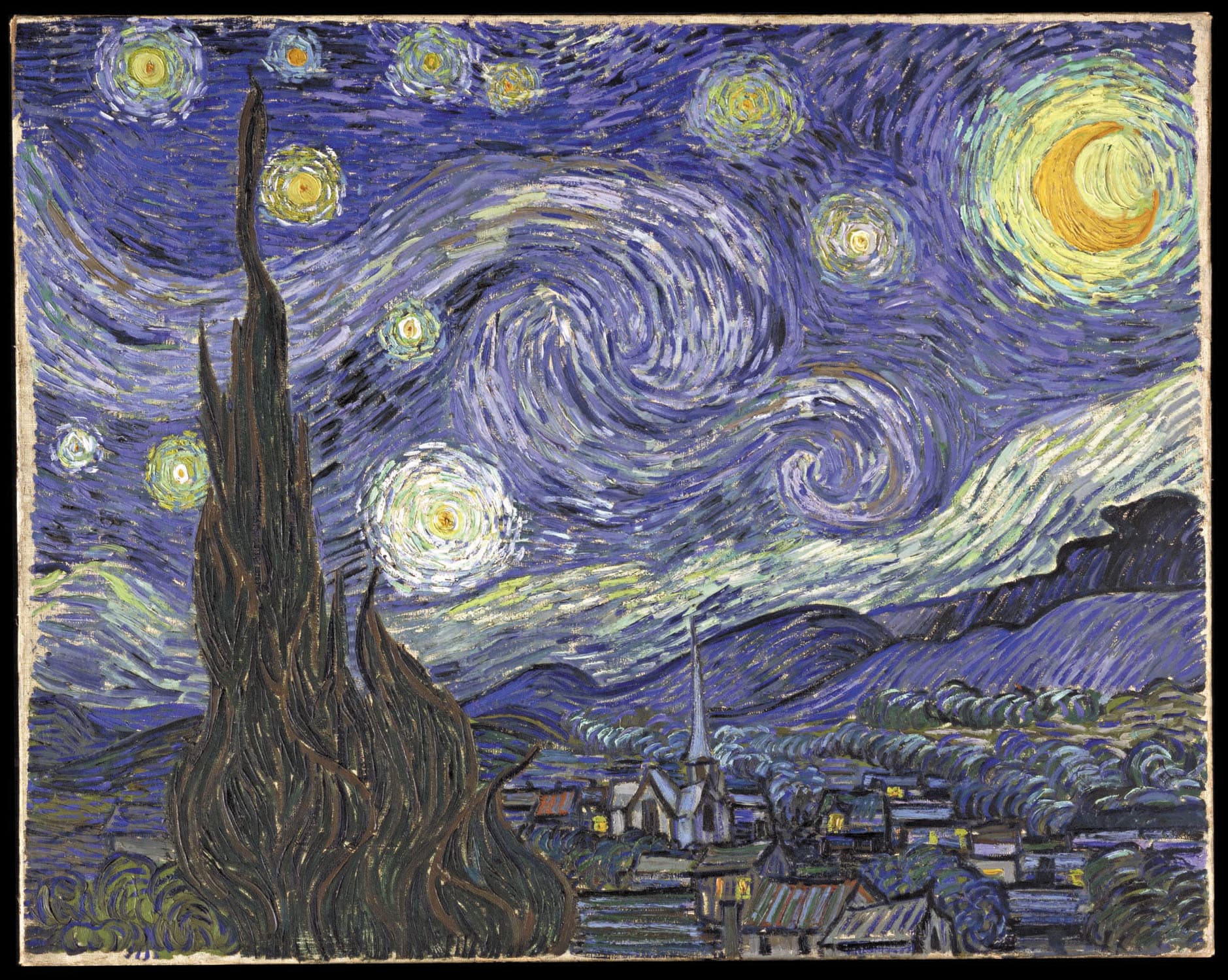
A team of astronomers‑turned‑detectives has used forensic astronomy to pinpoint the night that sparked Vincent van Gogh’s iconic masterpiece. By matching the swirling constellations in The Starry Night with historic sky charts, the researchers argue that van Gogh was looking at the predawn heavens over France on July 22, 1889—a full month later than the traditionally accepted date.
What does this mean for art lovers in Aurora? It’s a reminder that the same celestial canvas we admire at the Aurora Community Observatory or during our annual Starlight Festival has inspired great art for more than a century. If you’ve ever stood on the banks of the Huron River on a clear summer night, you’ve probably seen the same Milky Way band that van Gogh painted in bold blues and golds.
Local history buffs can now connect the dots between van Gogh’s brushstrokes and the night sky we cherish here in Michigan. The discovery also gives a fresh angle for our Aurora art tours and school field trips—linking European art history with our own star‑filled evenings.
So next time you gaze up at Aurora’s night sky, remember: you’re sharing the same view that may have moved van Gogh’s hand, and that timeless inspiration is still lighting up our community today.
Keywords: Vincent van Gogh, Starry Night, forensic astronomy, Aurora Michigan, night sky, art history, July 1889, local astronomy, community observatory.